Practical guides to nomad tax residency
Plain-English explanations of the rules that decide where you owe tax — sourced directly from each country's official tax authority. Not advice. Always a prompt to talk to a real professional.
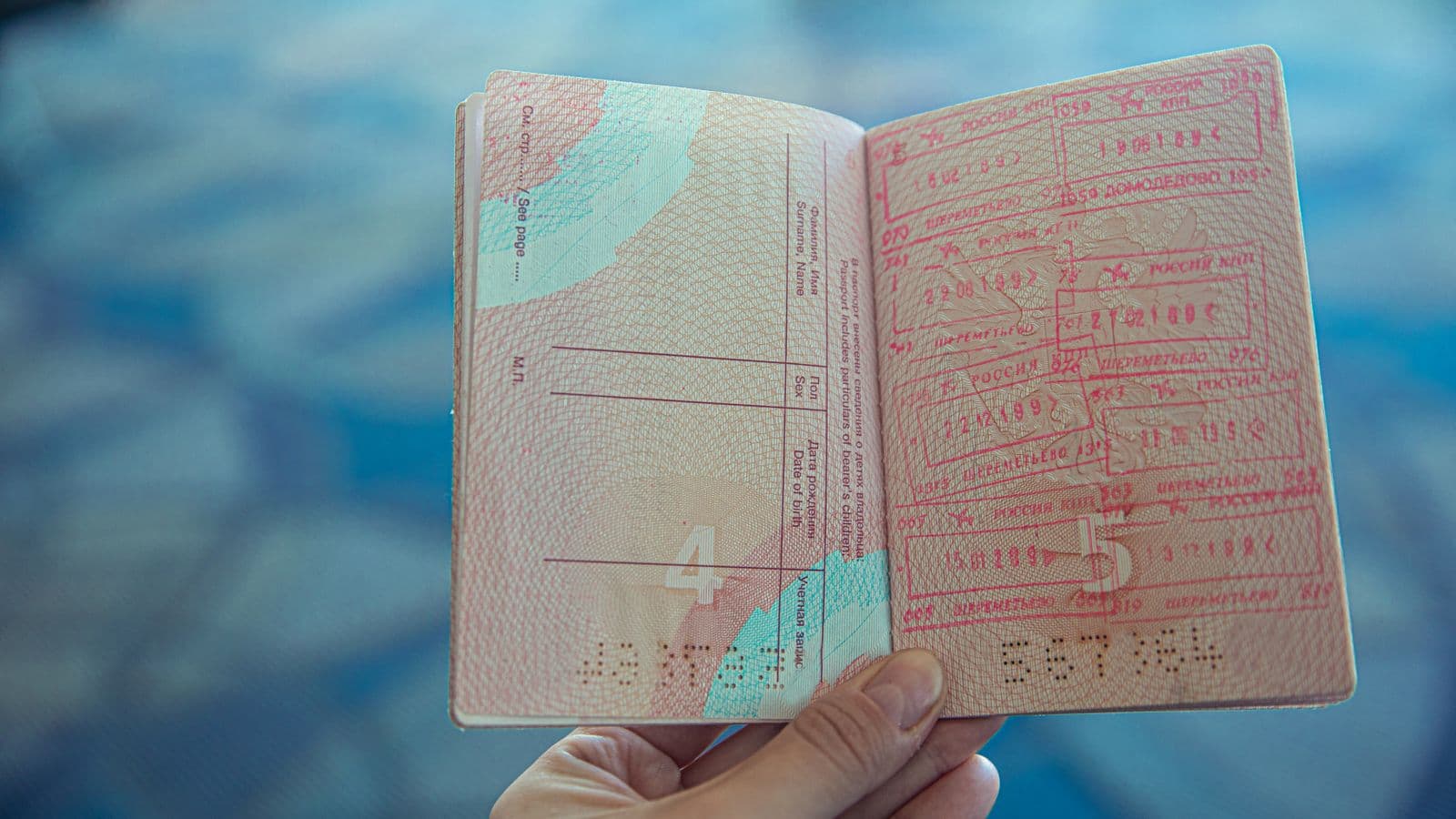
Do arrival and departure days count toward the 183-day rule?
Usually both count as whole days — but the UK only counts a day if you are there at midnight, Portugal needs an overnight stay, and Cyprus counts your arrival in and your departure out. Four different mechanics, and why a nine-day trip is often eleven counted days.

Can you be a tax resident of two countries at once?
Yes — one country counts your days while another looks at the home you kept or the family you left. What happens next is the treaty tie-breaker ladder: permanent home, vital interests, habitual abode, nationality. Note where the day count ranks.

Does a digital nomad visa make you a tax resident?
Not by itself — Hungary and the UAE say so explicitly. But the visa exists to let you stay longer, and staying longer is what trips the day threshold. How to treat the immigration decision and the tax decision as two separate decisions.

The 183-day rule by country: only 26 of 75 work the way you think
We checked the tax-residency day rule in all 75 jurisdictions we track, each sourced to its own tax authority. Thresholds run from 30 days to a full year, 26 countries never reset on 1 January, and 12 have no day rule at all. Free data, open to cite.

Schengen 90/180 vs the 183-day tax rule: the two clocks every nomad runs at once
Staying legal on your visa tells you nothing about your tax exposure. The Schengen 90/180 rule and tax residency use different windows, different thresholds and different penalties — and the tax clock often trips first. How to run both.

Staying under 183 days doesn't make you tax-free — the myth that catches nomads
The day count is necessary, not sufficient: a home at your disposal, family ties, your economic base, or a 60/30/16-day threshold can make you a tax resident anyway — and your home country doesn't let go automatically. The official rules, sourced.

The 183-day rule isn't really 183 days — what every nomad needs to know
A practical guide to the 183-day tax-residency rule across major nomad destinations: how it actually works in France, Spain, Portugal, the UAE, the US, the UK, and 47 more countries — and where it doesn't apply at all.

Best tax-residency countries for digital nomads in 2026 (and the ones to avoid)
A neutral, source-linked comparison of digital-nomad-friendly tax jurisdictions in 2026 — UAE, Portugal, Cyprus, Malta, Panama, Uruguay, Georgia, and others — with the day thresholds, conditions, and traps that actually matter.

How to plan a tax-safe nomad year: a 5-step framework (with worksheet)
A repeatable yearly process for nomads to stay below tax-residency thresholds in every country they visit: setting a base, mapping the calendar, choosing buffer days, tracking with Yuravia, and building a paper trail.
Track your days automatically
Yuravia counts the nights you spend in every country and warns you before you cross a tax-residency threshold — across 75 jurisdictions. Free, anonymous, no ads.
Create your free account