Yuravia blog
Do arrival and departure days count toward the 183-day rule?
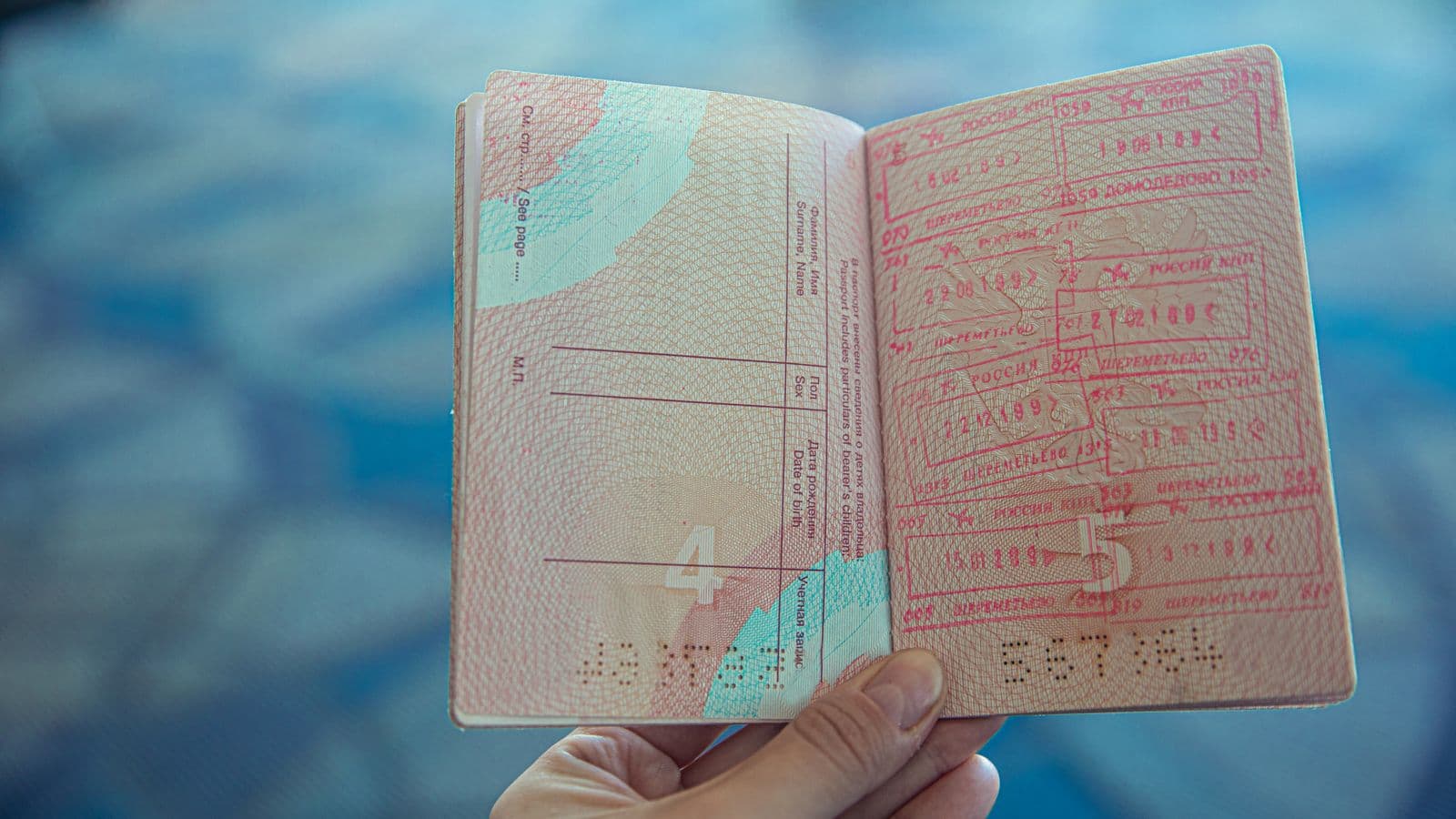
You land at 23:50 and leave nine days later at 06:00. Is that nine days, ten, or eleven? It sounds pedantic until you realise the answer decides whether you finish the year on 182 or 184 — and that difference is a tax residency. Most countries count any part of a day as a whole day, so arrival and departure both count. But the exceptions are not small: the UK only counts a day if you are there at midnight, Portugal counts a day only if you slept there, and Cyprus counts your arrival day in and your departure day out. Here is how the counting actually works.
What is the default rule?
In most jurisdictions, presence at any moment in a day makes that day a full day. No proportion, no half-days. A flight landing at 23:50 buys you a whole day of presence; a 06:00 departure costs you another. That means a "nine-day trip" is routinely eleven counted days, and the error compounds across a year of travel. It is also why the conservative planning assumption is always: count both ends.
The US counts any day you are physically present at any time (with narrow exceptions such as transit or exempt-individual days). Ireland treats you as present for a day if you were there at any time during it. Spain counts any day of physical presence including both travel days — and adds sporadic absences back in unless you prove tax residency elsewhere. The UAE, under Ministerial Decision 27 of 2023, counts all days or parts of days, and they need not be consecutive.
Which countries don't count both travel days?
Four mechanics worth knowing, because each produces a different total from the same itinerary:
| Jurisdiction | How a day is counted | Effect on your trip |
|---|---|---|
| United Kingdom | Only if you are in the UK at the end of the day (midnight) | Arrival day counts; departure day normally does not |
| Portugal | A day of presence is any day including an overnight stay (Art. 16 CIRS) | Travel days count only if you slept there |
| Cyprus | Arrival day = a day in; departure day = a day out | The two travel days cancel out |
| Italy | Counted "taking into account even fractions of days" | Both travel days count; threshold is more than 183 (184 in a leap year) |
The UK's midnight rule is the one people misuse most. It genuinely is more forgiving on departure days — but the Statutory Residence Test also has a separate "deeming rule" for people with many UK ties, so "I always leave before midnight" is not a strategy. And Cyprus's rule has a neat symmetry: arriving and departing on the same day counts as one day in, while departing and arriving on the same day counts as one day out.
What about countries with no day-counting rule?
Some countries never make you count travel days, because their test isn't arithmetic. France has no statutory day rule at all — residency rests on your foyer, principal place of stay, professional activity or economic interests, and the familiar "183 days" is only a practical proxy. Germany's habitual-abode test asks whether you were continuously present for more than six months, running from your first day and disregarding short interruptions like holidays — a substance test, not a tally. In both, a spreadsheet of arrival and departure times answers the wrong question.
Does a layover count as a day of presence?
Generally not, if you stay airside and never formally enter the country — many systems carve out transit explicitly, as the US does for days in transit. But the moment you clear immigration, you are present, and in a part-day country that is a full counted day. A single-day transit through the country you are trying to stay under the threshold in is a real cost, not a rounding error.
Why does Yuravia count nights, not days?
Because nights are unambiguous and days are not. A trip has one clear number of nights; its number of "days" depends entirely on which of the four mechanics above applies. Counting nights gives you a stable base figure, and then you apply the country's rule on top — which is exactly why a night-count is usually lower than the tax authority's day count.
Practically: if a night-based tracker says 180 nights in Spain, Spain may well count you present for 182 or 183 days once both travel days are added. That gap is the entire reason to plan with a buffer rather than aim at the threshold. Run the numbers with the 183-day calculator, and read each country's own rule on its page before you cut it fine.
How should you plan around this?
- Assume both travel days count unless the country says otherwise. It is the safe direction to be wrong in.
- Check the mechanic, not just the number. Every country page states how that jurisdiction counts a day, with its official source.
- Budget a buffer. A plan aimed at 182 lands on 184 in a part-day country with two travel days at each end.
- Log the dates as you go. Reconstructing a year from memory is where the errors — and the audit problems — come from.
- Remember the day count isn't the only test — home, family and economic ties can make you resident regardless (see the 183-day myth).
Frequently asked questions
Do arrival and departure days count toward the 183-day rule?
In most countries, yes — any part of a day of physical presence counts as a whole day, so both your arrival and departure days count. Ireland, Spain, the US, the UAE and Italy all work this way. The notable exceptions are the UK (a day counts only if you are there at midnight), Portugal (the day must include an overnight stay) and Cyprus (arrival counts in, departure counts out).
Does the day I fly out count as a day in the country?
Usually yes. In part-day countries a 06:00 departure still counts as a full day of presence. Under the UK's Statutory Residence Test it normally does not, because you are not in the UK at the end of that day — though a separate deeming rule can apply to people with many UK ties.
How does Cyprus count arrival and departure days?
The day you arrive in Cyprus counts as a day in Cyprus and the day you depart counts as a day outside Cyprus. Arriving and departing on the same day counts as one day in Cyprus; departing and arriving on the same day counts as one day outside.
Does a layover or transit count as a day of presence?
Generally not if you remain in transit and never formally enter the country — the US, for example, excludes days in transit. But once you clear immigration you are present, and in a part-day country that counts as a full day.
Why is my night count lower than the tax authority's day count?
Because most authorities count part-days as whole days while a night-based tracker counts nights. A 180-night stay in Spain can be 182 or 183 counted days once both travel days are added — which is exactly why you should plan with a buffer instead of aiming at the threshold.
Keep reading
Track this yourself in Yuravia
Yuravia encodes the day-count rule of every country mentioned in this article. Add your trips, get alerted before you cross a threshold, see your friends' upcoming travel on the same dashboard. Free.
Create a free account →This article is general information, not tax advice. Definitive residency depends on factors beyond day counts. Always consult a qualified tax advisor in the relevant jurisdiction.