Yuravia blog
Can you be a tax resident of two countries at once?
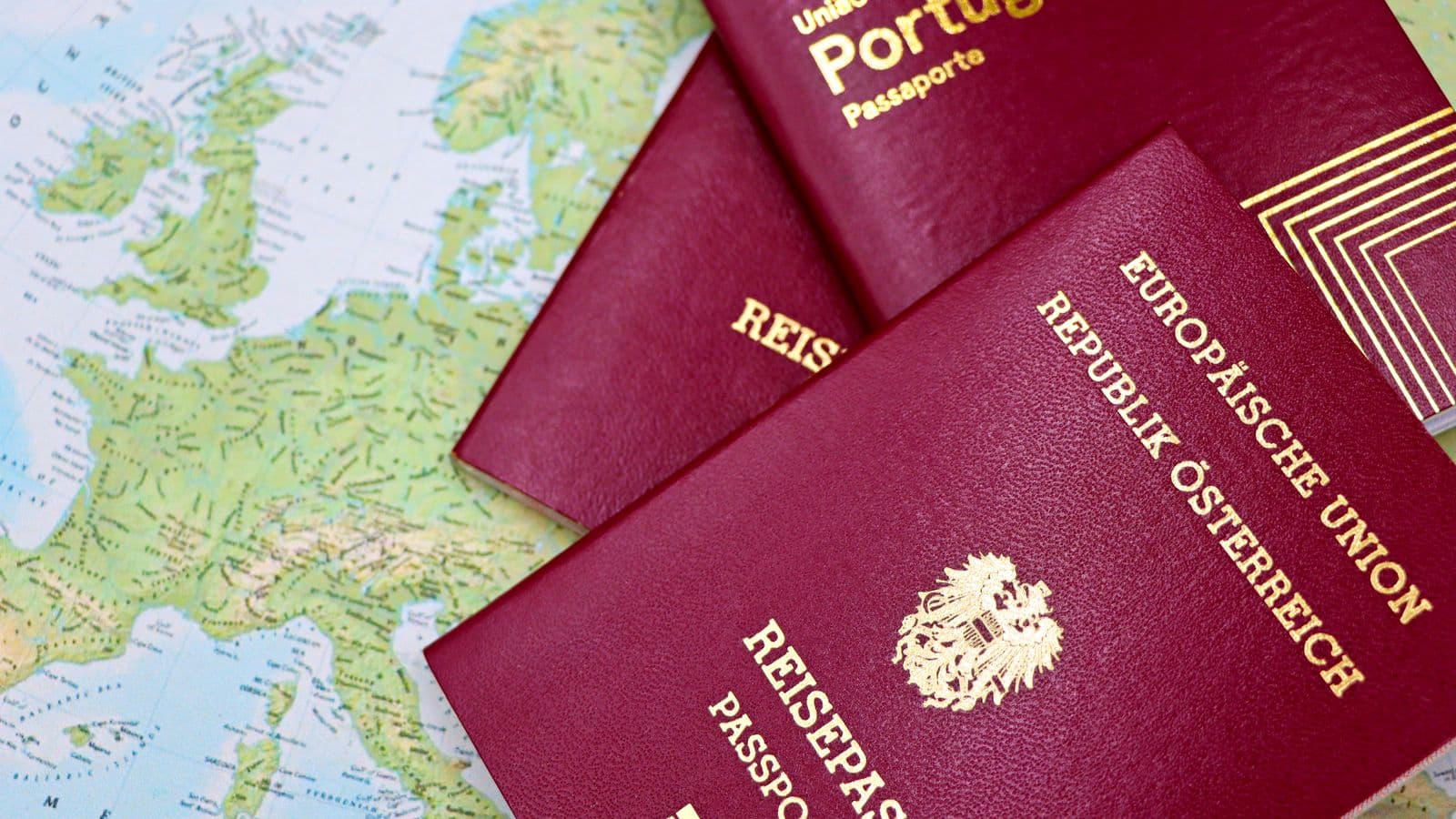
Yes — and it is far more common than people expect. Tax residency isn't allocated by a referee; each country applies its own rules to you independently, and nothing stops two of them concluding, correctly and at the same time, that you are resident. One counts your days; the other looks at the flat you kept or the family you left behind. What happens next depends on whether those two countries have a tax treaty — and if they do, on a tie-breaker ladder in which your day count is the junior test.
How do you end up resident in two countries?
Usually because the two countries are asking different questions. The classic pattern: you spend enough days in a new country to trip its day threshold, while your old country still treats you as resident on non-day grounds. Both are right under their own law.
- A home you kept. In Germany, a dwelling at your disposal (a Wohnsitz under §8 AO) makes you resident with no day count at all.
- Family you left. Spain presumes you are resident if your non-separated spouse and minor children habitually live there — and the burden of disproving it is yours (Art. 9.1, Ley 35/2006).
- Your economic base. Spain also treats you as resident if the main base of your business activities or economic interests is there, directly or indirectly, regardless of days.
- Overall facts and circumstances. The Netherlands decides on durable personal ties (Art. 4 AWR) rather than a day tally.
- A trailing status. Ireland's ordinary residence continues for three years after you stop being resident, taxing most worldwide income in the meantime.
What decides which country wins?
If the two countries have a double-tax treaty, it contains tie-breaker rules applied in a strict order. You stop at the first test that separates them:
- Permanent home — where do you have a home permanently available to you? If only one country, that country wins.
- Centre of vital interests — if you have a home in both, where are your personal and economic ties closer? Family, work, bank accounts, social life.
- Habitual abode — if that's still unclear, where do you actually, habitually live?
- Nationality — if it remains tied, your citizenship decides.
- Mutual agreement — if all else fails, the two tax authorities settle it between themselves.
Read that ladder carefully, because it is the opposite of how nomads plan. Home and ties come first; days appear nowhere in the first two rungs. Winning the day count while keeping a permanent home in the country you left is losing the argument that actually matters.
What if there is no treaty?
Then there is no tie-breaker to appeal to, and you can genuinely be taxed as a resident by both — on the same worldwide income. Domestic relief may soften it (foreign tax credits, exemptions), but nothing guarantees a clean split. This is the scenario worth checking before you move: not "does this country tax me?" but "does this country have a treaty with the one I'm leaving?"
Why does dual residency catch nomads specifically?
Because the nomad pattern optimises for the wrong variable. The instinct is to spread days thinly and keep everything else — the apartment, the family base, the company — unchanged. But days are the only thing being spread. The permanent home stays put, the vital interests stay put, and under the tie-breaker ladder those are precisely the tests that run first.
There is a second trap: some favourable regimes require you not to be resident elsewhere. Cyprus's 60-day route, for instance, is conditional on not being a tax resident of another country and not spending more than 183 days in any other single state. A lingering residency back home doesn't just add a claim — it can invalidate the regime you moved for.
How do you avoid being claimed twice?
- Break the old residency properly. Give up the available home, move the family base, shift the economic centre, and file any formal departure the system requires. A plane ticket is not a departure.
- Check both directions. Look up the non-day tests of the country you are leaving as well as the one you are entering — every country page lists them.
- Confirm a treaty exists between the two, and read its tie-breaker order.
- Keep the evidence. Lease endings, deregistrations, and a dated travel log are what resolve a dispute years later.
- Still count your days. The day count is the one test you can calculate, and it is the tie-breaker's third rung — use the 183-day calculator, or track every country at once.
Frequently asked questions
Can two countries both consider me a tax resident?
Yes. Each country applies its own rules independently, so one can claim you on a day count while another claims you because you kept a home there, your family lives there, or your economic base is there. If a tax treaty exists, its tie-breaker rules assign you to one of them.
What are the tie-breaker rules, in order?
Permanent home first; then centre of vital interests (personal and economic ties); then habitual abode; then nationality; and finally mutual agreement between the two tax authorities. You stop at the first test that separates the two countries — note that day counts do not appear in the first two rungs.
What happens if there is no tax treaty between the two countries?
There is no tie-breaker mechanism, so both countries can tax you as a resident on your worldwide income. Domestic foreign-tax credits or exemptions may reduce the double charge, but nothing guarantees a clean allocation — check whether a treaty exists before relying on a move.
Does leaving the country end my tax residency there?
Not automatically. Most worldwide-tax countries keep you resident until you genuinely break residency — giving up a home at your disposal, moving the family base and economic centre, and in some systems filing a formal departure. Ireland goes further: ordinary residence continues for three years after you cease to be resident.
Can dual residency invalidate a special tax regime?
It can. Cyprus's 60-day residency route, for example, requires that you are not a tax resident of another country and do not spend more than 183 days in any other single state. A residency you failed to break at home can therefore disqualify you from the regime you moved for.
Keep reading
Track this yourself in Yuravia
Yuravia encodes the day-count rule of every country mentioned in this article. Add your trips, get alerted before you cross a threshold, see your friends' upcoming travel on the same dashboard. Free.
Create a free account →This article is general information, not tax advice. Definitive residency depends on factors beyond day counts. Always consult a qualified tax advisor in the relevant jurisdiction.